AI agent governance is how an organization defines, enforces, and demonstrates control over what its autonomous agents do. For every agent, it answers what it's allowed to do, whether that policy actually gets enforced, and whether you can prove it after the fact.
Governance frameworks and principles read well in a slide deck. A policy that only lives in a document governs nothing. Real governance is a rule that stops an action the moment it violates policy.
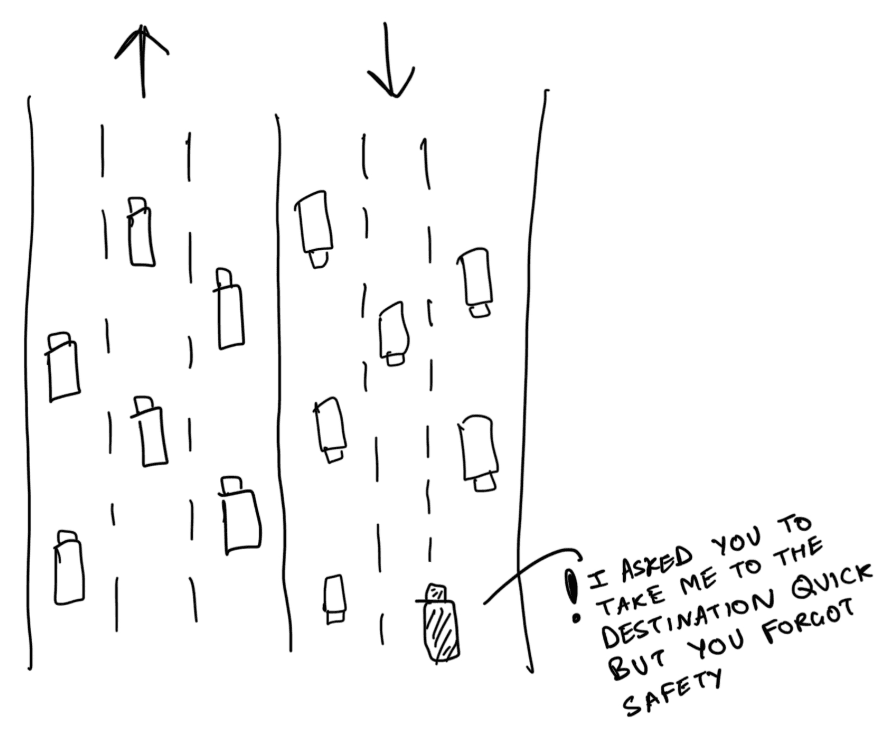
What an AI agent governance framework needs
Effective governance rests on a few concrete capabilities, not good intentions:
- Central policy, one authoritative definition of what each agent may do, written once and applied everywhere.
- Enforcement that actually blocks disallowed actions at runtime, not just warns about them.
- Least privilege, agents get only the tools and access their task requires.
- Auditability, a complete, tamper-evident record of every decision for security and compliance.
- Change control, policies are versioned and reviewable, so you know who changed what and when.
Why AI governance frameworks alone don't govern anything
NIST AI RMF, ISO 42001, the OWASP Top 10 for LLMs. These are useful references for structuring an AI governance program, and auditors will ask about them. None of them execute code.
A framework maps risk categories to controls you're supposed to have. It doesn't sit at the boundary where an agent reads a file or calls an API and decide, in that instant, whether the action is allowed. That decision has to live somewhere concrete, or the framework stays theoretical. AI governance that doesn't reach runtime is a paper trail, not a control.
Governance and guardrails are not the same thing
People use the two words like synonyms, and they solve different problems. Guardrails shape what a model says. They filter prompts, block toxic output, and keep a response on-topic. Governance controls what an agent can do once it starts acting: which tools it calls, which files it reads, which hosts it reaches.
A guardrail can stop an agent from writing something harmful. Only governance stops it from deleting a production database or exfiltrating a secret, because that decision happens at the tool call, not in the text.
Policy that can't be bypassed
Prismor governs agents with cryptographically signed policies. Each one defines allowed tools, paths, and hosts, and gets pushed to every enrolled agent, so governance stays consistent across your whole fleet instead of getting reinvented per project.
Enforcement happens at the tool-call boundary, so a compromised or manipulated agent still can't exceed the access its policy grants. Governance holds even when the model doesn't.
Proving governance for compliance
When an auditor, customer, or security review asks how your AI agents are controlled, Prismor gives you an answer backed by evidence: the signed policies in force, and a tamper-evident audit trail of every action and the decision behind it.
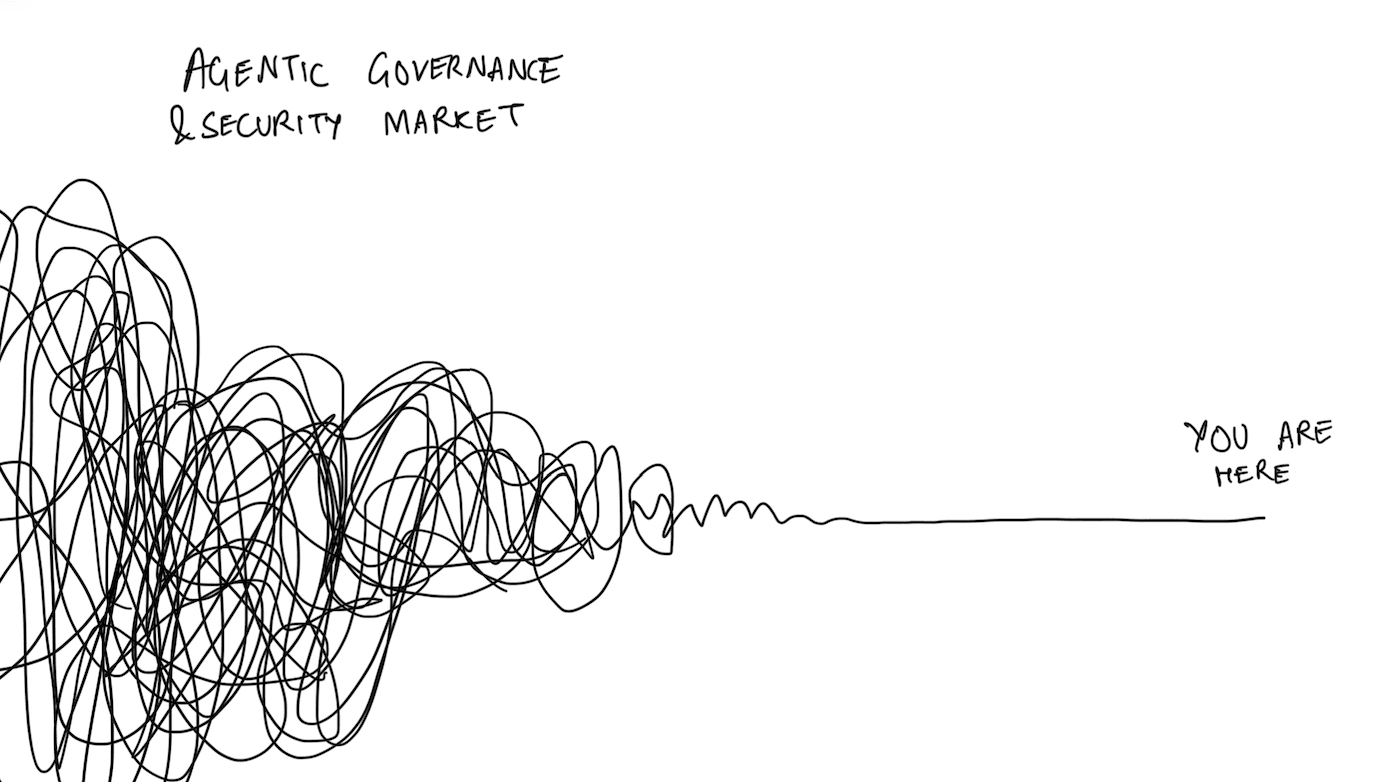
A crowded field, one boundary
Agent governance is a noisy market, and most of the noise sits upstream of the moment an agent actually does something. Prismor works at the tool call, where the action lands and where a decision still changes the outcome.
Frequently asked questions
What is AI agent governance?
Defining what autonomous agents are allowed to do, enforcing those rules at runtime, and keeping evidence that the rules were followed, so agent behavior stays bounded, consistent, and auditable.
What is AI governance?
AI governance is the set of policies, processes, and controls an organization uses to decide what its AI systems and agents are allowed to do, and to verify that decision is actually followed. It spans model inventory, risk assessment, policy definition, and, critically, runtime enforcement.
What frameworks does AI governance typically follow?
Common references include the NIST AI Risk Management Framework, ISO/IEC 42001, and the OWASP Top 10 for LLM Applications. These structure what a program should cover, but none of them enforce policy at runtime on their own, that requires a separate control layer.
What is an AI agent governance framework?
The set of capabilities that make governance real: central signed policy, runtime enforcement, least privilege, versioned change control, and a tamper-evident audit trail across every agent.
How is AI agent governance different from AI guardrails?
Guardrails work on language, filtering what an agent is asked and what it says. Governance works on actions, controlling which tools, files, and systems an agent can touch and enforcing that at the tool call. You want both, but only governance stops an agent from doing real damage.
How do you enforce AI agent governance at runtime?
Put a checkpoint at the tool-call boundary. Before an agent runs any action, its request gets checked against a signed policy, and anything the policy doesn't allow gets blocked before it happens instead of flagged after.
Does AI agent governance help with compliance audits?
Yes. The signed policies show what each agent was allowed to do, and the audit trail shows what it actually did and why every action was allowed or denied. That pairing is the evidence a security review or auditor asks for.
Want a control plane over your AI agents?
Prismor checks every tool call your agents make against your policy, blocks what breaks it, and keeps the audit trail. Run the open-source runtime yourself, or let us set it up across your org.
Or email [email protected]