LLM security is protecting applications and agents built on large language models from manipulation, leaks, and abuse. Once a model can read files, call APIs, run code, or use tools, its output stops being just words and starts being actions with real consequences.
Traditional application security assumes deterministic code. LLMs break that assumption. The same input can produce different behavior, instructions and data share one channel, and an attacker can smuggle commands inside ordinary-looking content. LLM cyber security needs controls at the point where a model acts, not just at the prompt.
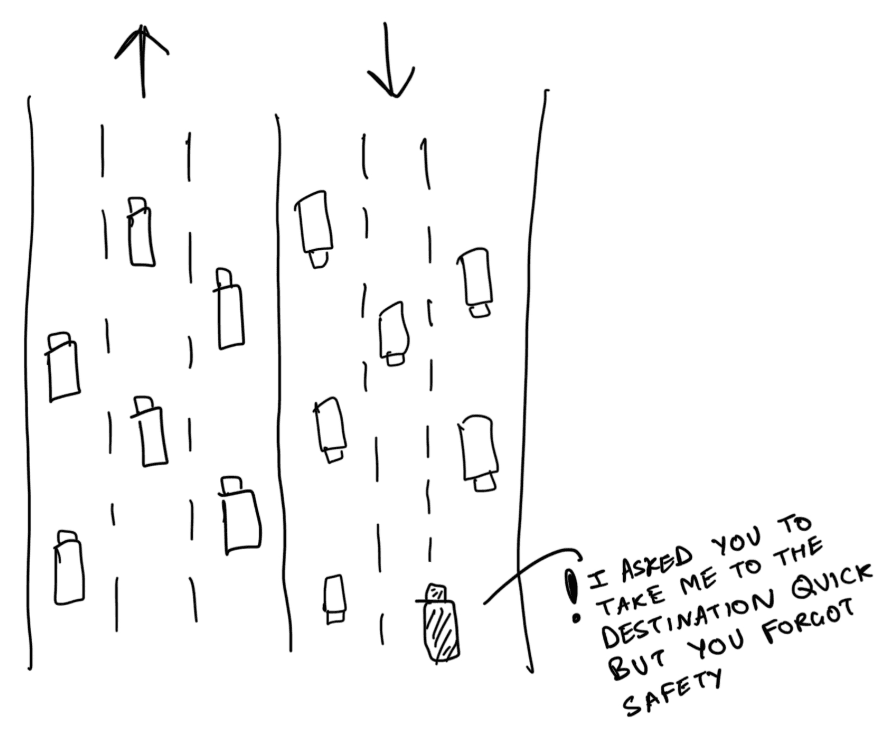
The core LLM security risks
Most real-world incidents trace back to a handful of failure modes. Knowing them is the first step to defending against them.
- Prompt injection, malicious instructions hidden in user input, documents, or tool output that hijack the model's behavior.
- Data exfiltration, tricking the model into reading secrets, files, or private context and sending them somewhere it shouldn't.
- Secret leakage, API keys, tokens, and credentials pulled into prompts or logs and exposed.
- Excessive agency, an agent with more tools and permissions than the task needs, turning a small mistake into a large blast radius.
- Tool and supply-chain abuse, poisoned MCP servers, plugins, or dependencies that quietly redirect what the model does.
LLM security best practices
Defense has to live at runtime, because that's where the model actually does something. A few principles cover most of the ground:
- Enforce least privilege: give each model and agent only the tools and access its job requires.
- Mediate every tool call through a policy layer that can allow, block, or require approval.
- Redact secrets before they ever reach the model or its logs.
- Treat all tool output and retrieved content as untrusted input, never as instructions.
- Keep a complete, tamper-evident audit trail of what each model did and why.
- Fail closed: when a policy can't be verified, deny the action rather than allow it.
Where Prismor fits
Prismor is a control plane for LLM-powered agents. It sits at the tool-call boundary every model shares and enforces your security policy there, intercepting each call, blocking prompt injection, exfiltration, and destructive actions before they run, redacting secrets, and recording a full audit trail.
Enforcement happens at the point of action rather than in the prompt, so it holds even when an attacker gets a clever payload past the model itself.
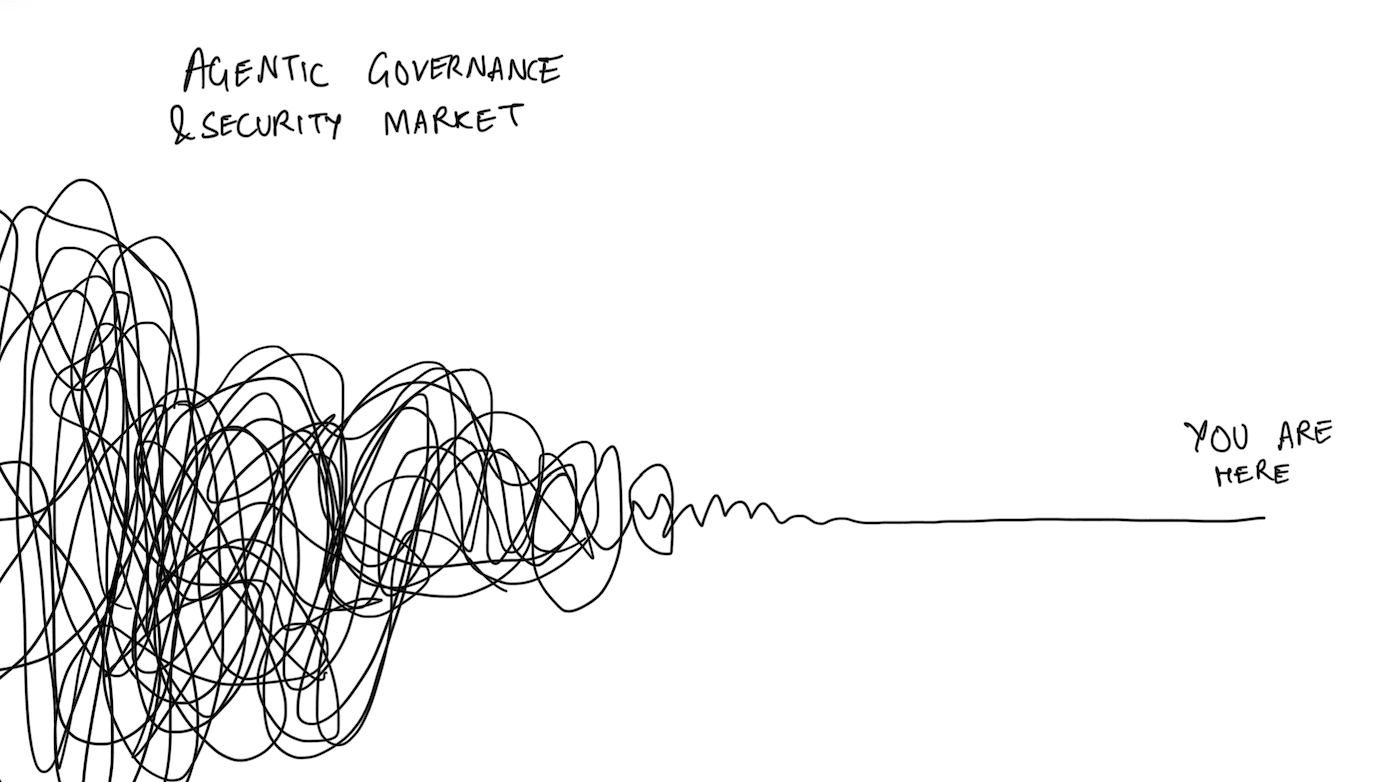
A crowded field, one boundary
Agent governance is a noisy market, and most of the noise sits upstream of the moment an agent actually does something. Prismor works at the tool call, where the action lands and where a decision still changes the outcome.
Frequently asked questions
What is LLM security?
Protecting large language model applications and agents from manipulation and abuse, chiefly prompt injection, data exfiltration, secret leakage, and excessive agency, by controlling what the model is allowed to do when it acts.
What are the biggest LLM security risks?
Prompt injection, data exfiltration, secret leakage into prompts or logs, excessive agency from over-permissioned agents, and tool or supply-chain abuse such as poisoned MCP servers.
How do you secure an LLM in production?
Enforce least privilege, mediate every tool call through a runtime policy layer that can block or require approval, redact secrets, treat all retrieved content as untrusted, keep an audit trail, and fail closed when policy can't be verified.
Want a control plane over your AI agents?
Prismor checks every tool call your agents make against your policy, blocks what breaks it, and keeps the audit trail. Run the open-source runtime yourself, or let us set it up across your org.
Or email [email protected]