AI agent identity means treating each agent as its own principal, with a unique, verifiable credential, instead of hiding a fleet of agents behind one shared key. It's the foundation of AI agent access management. You can't scope, attribute, or revoke access you can't tell apart.
As agents multiply across teams and workflows, a shared secret becomes both a blind spot and a single point of failure. Per-agent identity replaces it with accountability.
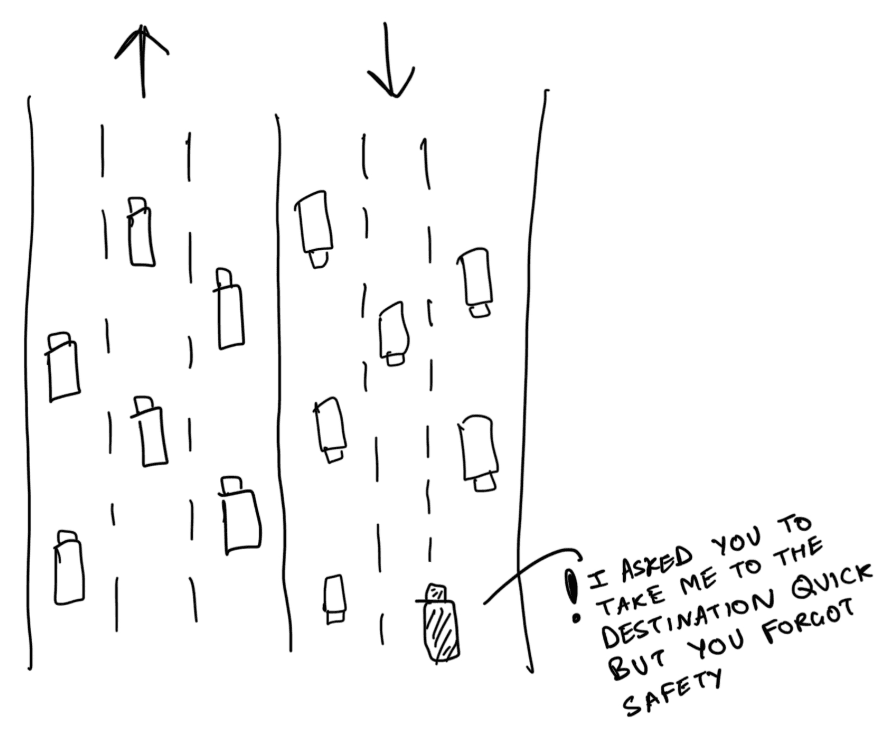
Why per-agent identity matters
Giving every agent its own identity brings the controls security teams already expect everywhere else:
- Attribution, know exactly which agent took an action.
- Least privilege, grant each agent only the access its task requires.
- Zero standing access, no broad, always-on keys sitting around waiting to be stolen.
- Instant revocation, cut off one agent without rotating a secret shared by all of them.
Identity and access management for AI agents
Prismor enrolls each agent with its own cryptographic identity. Access is bound to that identity through policy, so an agent gets exactly the tools and resources it's entitled to, no more, and every action it takes traces back to it.
When an agent is decommissioned, compromised, or just misbehaving, you revoke its identity and its access ends immediately, without touching the rest of your fleet.
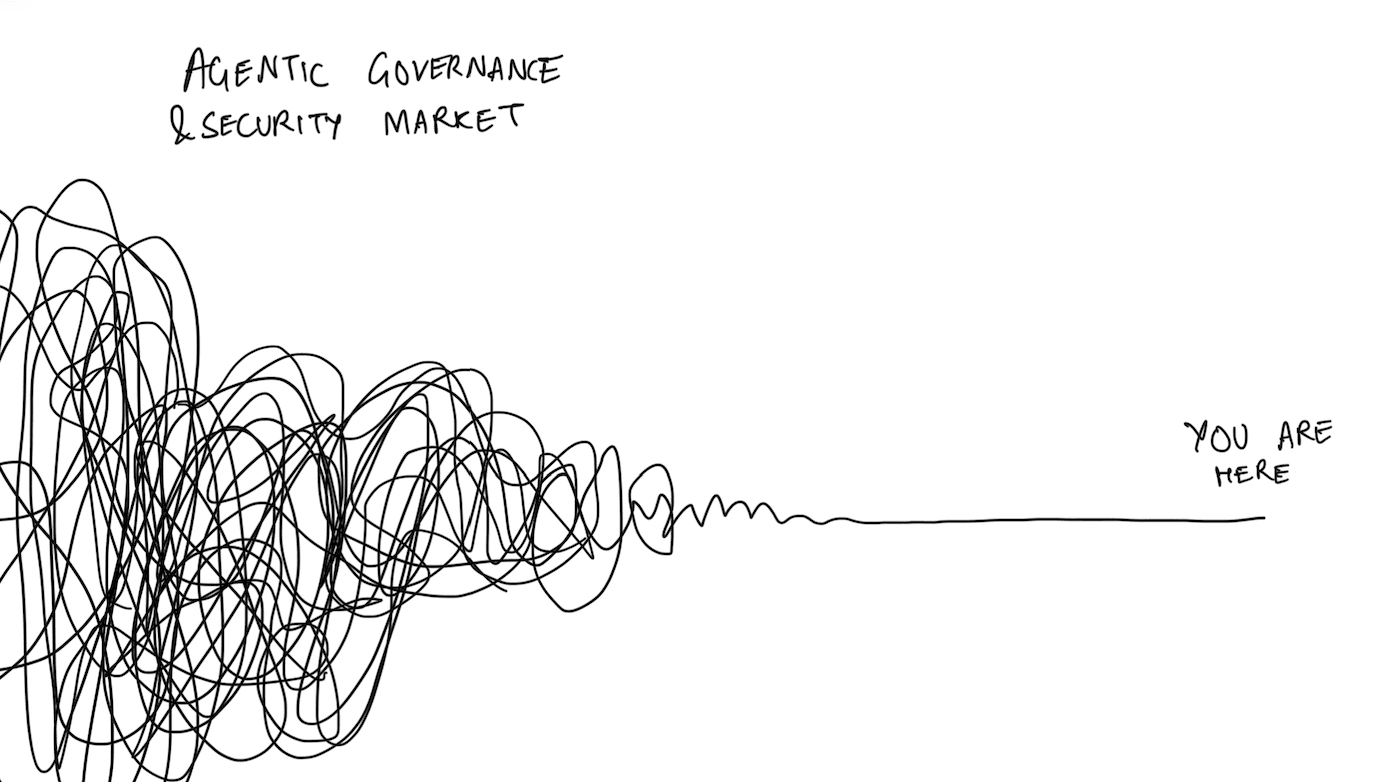
A crowded field, one boundary
Agent governance is a noisy market, and most of the noise sits upstream of the moment an agent actually does something. Prismor works at the tool call, where the action lands and where a decision still changes the outcome.
Frequently asked questions
What is AI agent identity?
Giving each AI agent its own verifiable credential instead of a shared key, so its access can be scoped with least privilege, its actions attributed to it, and its access revoked on its own.
What is AI agent identity and access management?
Issuing per-agent identities and binding least-privilege access to them, so every agent has exactly the permissions its task requires and can be revoked instantly.
Want a control plane over your AI agents?
Prismor checks every tool call your agents make against your policy, blocks what breaks it, and keeps the audit trail. Run the open-source runtime yourself, or let us set it up across your org.
Or email [email protected]