Shadow AI is any AI tool, model, or agent running inside your company that IT and security never approved or even knows about. It's shadow IT's successor, except faster to adopt and harder to spot, because a browser tab or a personal API key is all it takes.
Blocking it outright doesn't work; people route around bans within a day. The real fix is shadow AI discovery: find what's actually in use, then bring the useful parts under policy instead of pretending a firewall rule solved anything.
Why shadow AI spreads faster than shadow IT ever did
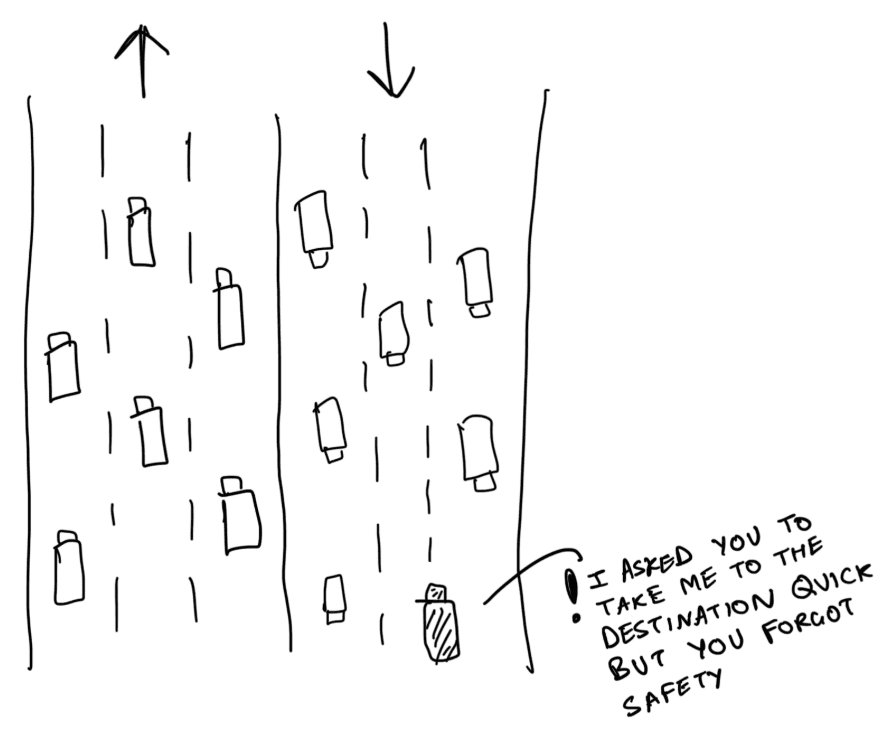
Shadow IT needed a purchase order or at least an installed app. Shadow AI needs none of that.
- Zero install cost. A free tier and a browser tab is enough to start.
- Personal and corporate blur together. The same engineer uses a personal ChatGPT account and a company Claude seat, often for the same task.
- Agents plug into agents. An MCP server, a browser extension, a Slack bot with an API key. Each one is a new unmonitored path into your data.
- Productivity wins the argument. If the sanctioned tool is slower, people quietly use the faster one.
What shadow AI actually puts at risk
The risk isn't "employees like AI." It's specific and it's concrete.
- Customer data, source code, or credentials pasted into a tool with no data-handling agreement with your company.
- An AI coding agent granted broad repo or cloud access because nobody scoped its permissions down.
- A browser extension or MCP server that quietly forwards context to a third party.
- No audit trail when something goes wrong, because the tool was never inventoried in the first place.
Getting shadow AI under control
Discovery comes first. You can't write policy for a tool you don't know exists.
- Inventory every model, agent, extension, and MCP server touching company systems, official or not.
- Rank by data sensitivity and blast radius, not by how the tool was procured.
- Set least-privilege access for anything that stays: scoped tokens, scoped repos, scoped data.
- Enforce at the point of action, the tool call or API request, so policy holds even for a tool nobody remembered to log.
Where Prismor fits
Prismor sees every tool call an AI agent makes, whether that agent came from an approved vendor or from an engineer's side project last Tuesday. It intercepts the call, checks it against policy, and blocks the ones that shouldn't run, all before the "shadow" part becomes a breach report.
You still need to know what's running. But the moment it acts, Prismor is the layer that decides whether it gets to.
A crowded field, one boundary
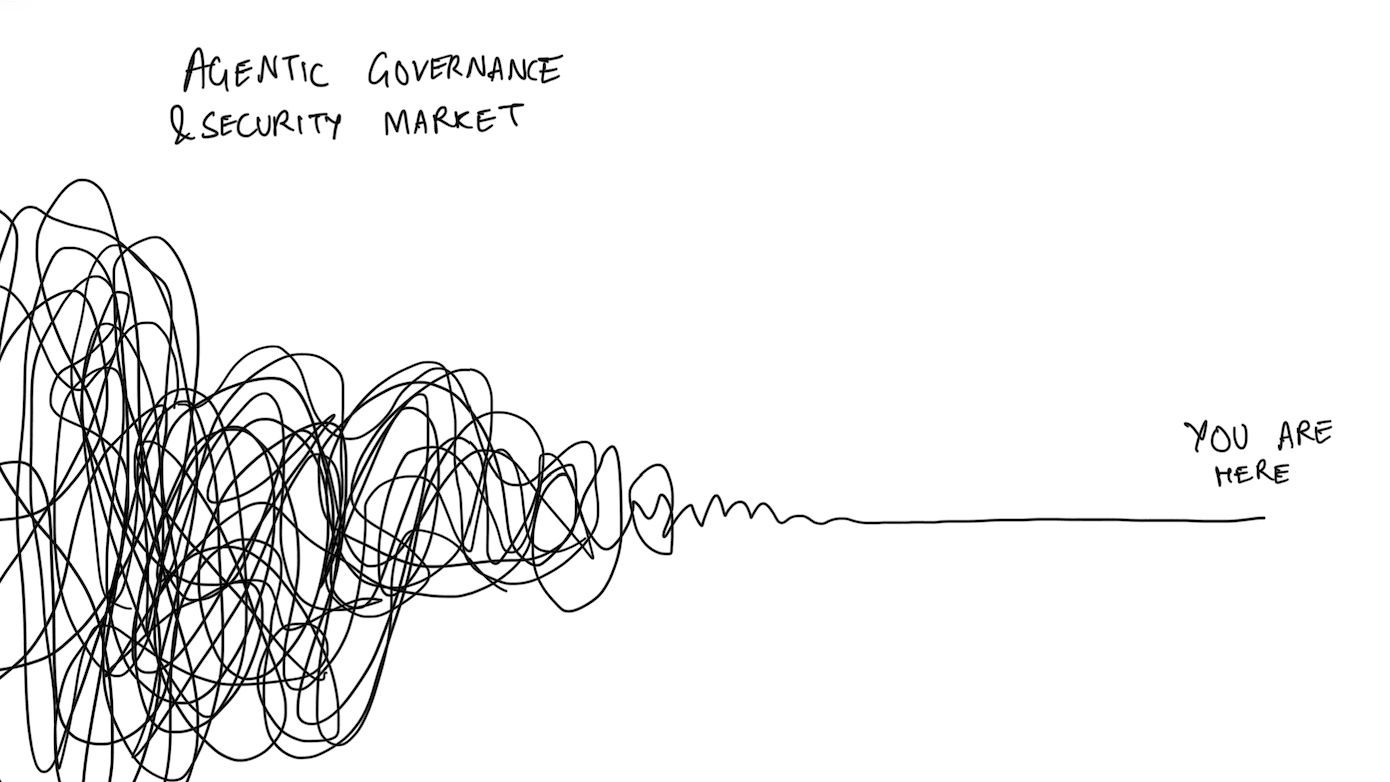
Agent governance is a noisy market, and most of the noise sits upstream of the moment an agent actually does something. Prismor works at the tool call, where the action lands and where a decision still changes the outcome.
Frequently asked questions
What is shadow AI?
Shadow AI is any AI tool, model, or agent used inside an organization without IT or security's knowledge or approval, from an employee pasting data into a personal ChatGPT account to an unvetted MCP server wired into a coding agent.
How is shadow AI different from shadow IT?
Shadow IT usually meant an unsanctioned app or a personal cloud account. Shadow AI spreads faster because it needs no install and no purchase, just a browser tab or an API key, and agents can chain into other agents, multiplying the number of unmonitored paths into company data.
How do you detect shadow AI in an organization?
Start with network and endpoint visibility into AI tool usage, inventory every model, agent, browser extension, and MCP server in active use, and monitor tool calls at runtime rather than relying on employees to self-report what they've adopted.
Can you stop shadow AI without banning tools outright?
Yes, and banning outright usually backfires since people route around policy within days. The more durable approach is discovery plus least-privilege enforcement: know what's running, scope its access down, and enforce policy at the point where it takes action.
Want a control plane over your AI agents?
Prismor checks every tool call your agents make against your policy, blocks what breaks it, and keeps the audit trail. Run the open-source runtime yourself, or let us set it up across your org.
Or email [email protected]