AI guardrails are the rules that keep an AI system inside safe, intended behavior. For simple chatbots that meant filtering the words a model produced. AI agents call tools, run commands, and touch real systems, so their guardrails have to govern actions, not just language.
That raises the bar. A chatbot saying the wrong thing is embarrassing. An agent running the wrong command can delete data or leak secrets. Guardrails for agents have to assume the model will sometimes be wrong or manipulated, and still prevent harm, which means enforcement outside the model, at the point of action.
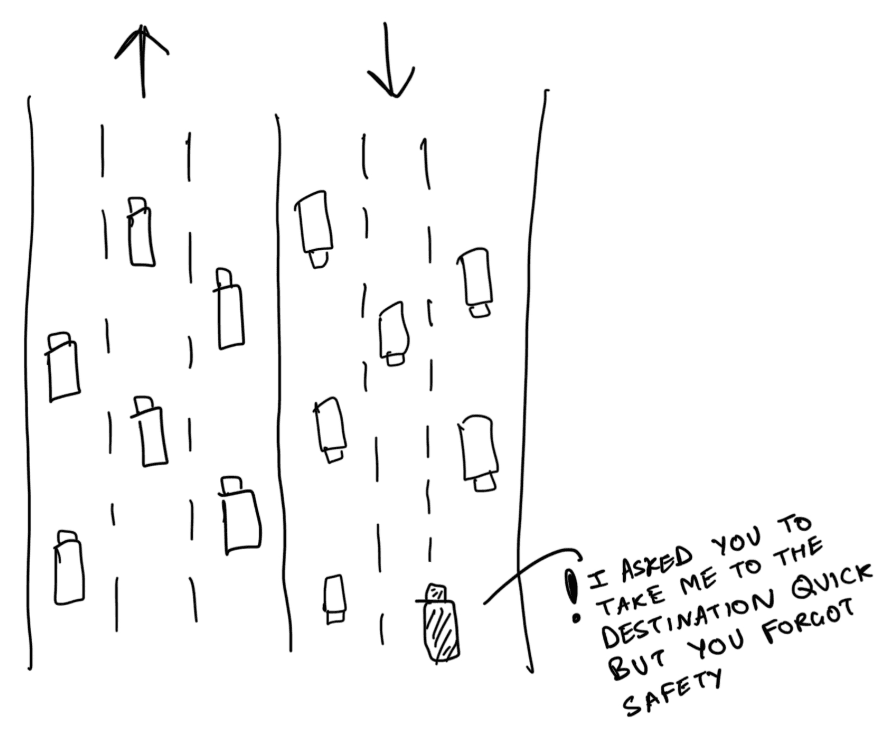
What are guardrails in AI?
Guardrails in AI are the constraints that decide what a model or agent is allowed to do and how it must behave. They span a range from soft to hard:
- Content guardrails, filtering toxic, unsafe, or off-topic output.
- Behavioral guardrails, steering the model with system prompts and policies it's asked to follow.
- Enforcement guardrails, hard checks at the tool-call boundary that allow, block, or require approval for each action an agent takes.
What agentic AI guardrails should block
The guardrails that matter most for agents stop the actions with real blast radius:
- Destructive commands: deleting files, dropping tables, force-pushing over history.
- Secret and data exfiltration: reading credentials or private data and sending it out.
- Out-of-scope access: touching systems, paths, or hosts outside the task.
- Unapproved high-impact operations: deploys, payments, or production changes without sign-off.
Why prompt-level AI guardrails aren't enough
If your only guardrails are instructions in a system prompt, an attacker just needs to change the model's mind, and prompt injection exists precisely to do that. Hidden instructions in a document, a web page, or a tool's output can talk the model out of its own rules.
Guardrails for AI agents have to assume the model will occasionally get manipulated, and still prevent damage. That only works if the last line of defense sits outside the model, at the point where the action actually executes.
Enforcing guardrails at the tool call
Prismor puts AI guardrails somewhere they can't be argued with. Every tool call an agent makes, a shell command, a file write, an API request, an MCP call, passes through a policy check first.
- Allow safe actions to run untouched.
- Block destructive commands, secret exfiltration, and out-of-scope access before they execute.
- Require human approval for sensitive operations.
- Redact secrets so they never reach the model or its logs.
- Record every decision in a tamper-evident audit trail, and fail closed when policy can't be verified.
A crowded field, one boundary
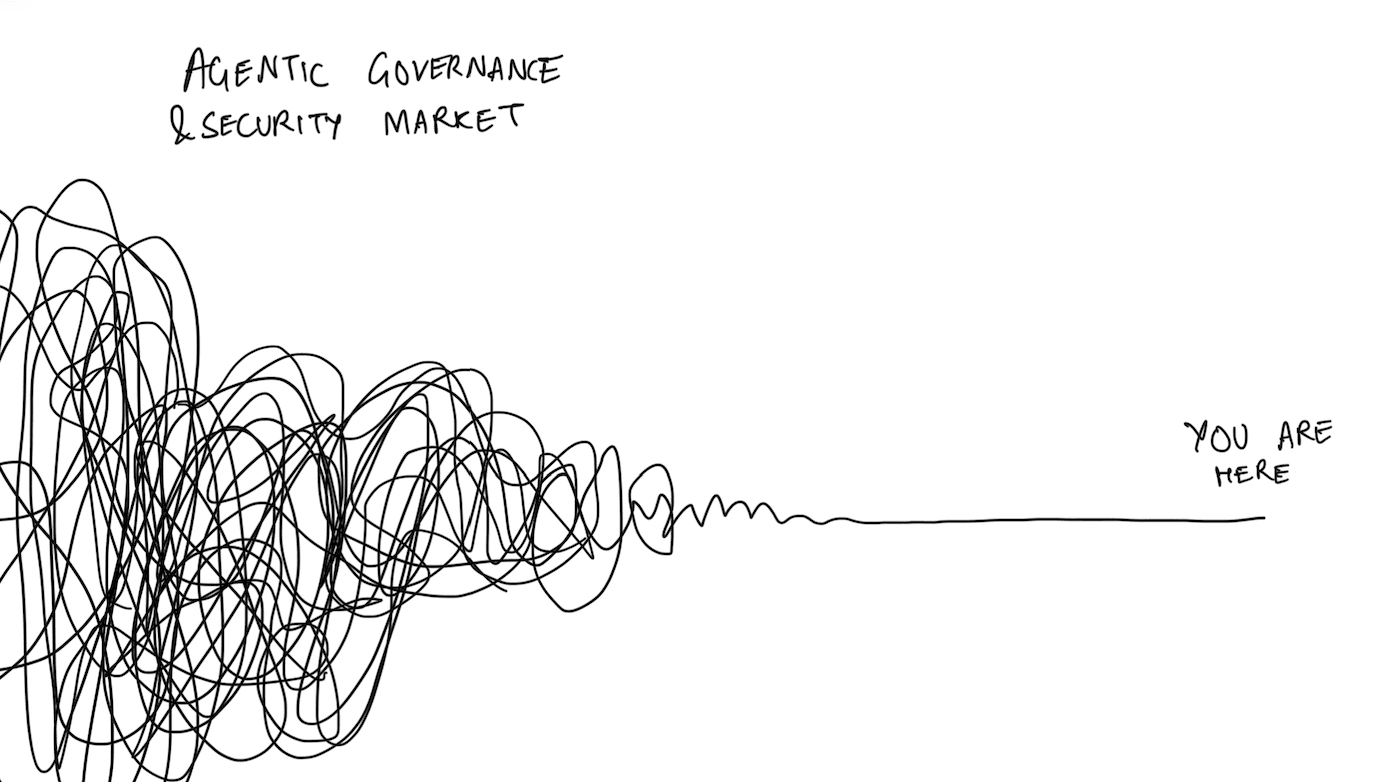
Agent governance is a noisy market, and most of the noise sits upstream of the moment an agent actually does something. Prismor works at the tool call, where the action lands and where a decision still changes the outcome.
Frequently asked questions
What are AI guardrails?
The rules that keep an AI model or agent inside safe, intended behavior, ranging from content filters and system-prompt policies to hard enforcement checks that block risky actions at the point they would execute.
What are AI agent guardrails?
Enforceable limits on what an autonomous agent can do: blocking destructive commands, secret exfiltration, and out-of-scope actions at the point they would execute.
How are agent guardrails different from prompt guardrails?
Prompt guardrails are instructions the model can be tricked past. Agent guardrails are checks at the tool-call boundary, outside the model, so a blocked action never runs regardless of the prompt.
Why aren't prompt-based AI guardrails enough?
Prompt-based guardrails are instructions the model can be tricked into ignoring through prompt injection. Durable guardrails enforce at the tool-call boundary, outside the model, so a blocked action never runs regardless of what the prompt said.
Want a control plane over your AI agents?
Prismor checks every tool call your agents make against your policy, blocks what breaks it, and keeps the audit trail. Run the open-source runtime yourself, or let us set it up across your org.
Or email [email protected]