AI agent observability is seeing what autonomous agents are actually doing at runtime. An application log tells you an agent ran. Observability tells you it read three files, called two APIs, and tried to write somewhere it had no business writing.
For agents that touch real systems, this visibility is the foundation. You can't write policy, catch abuse, or pass an audit for behavior nobody captured.
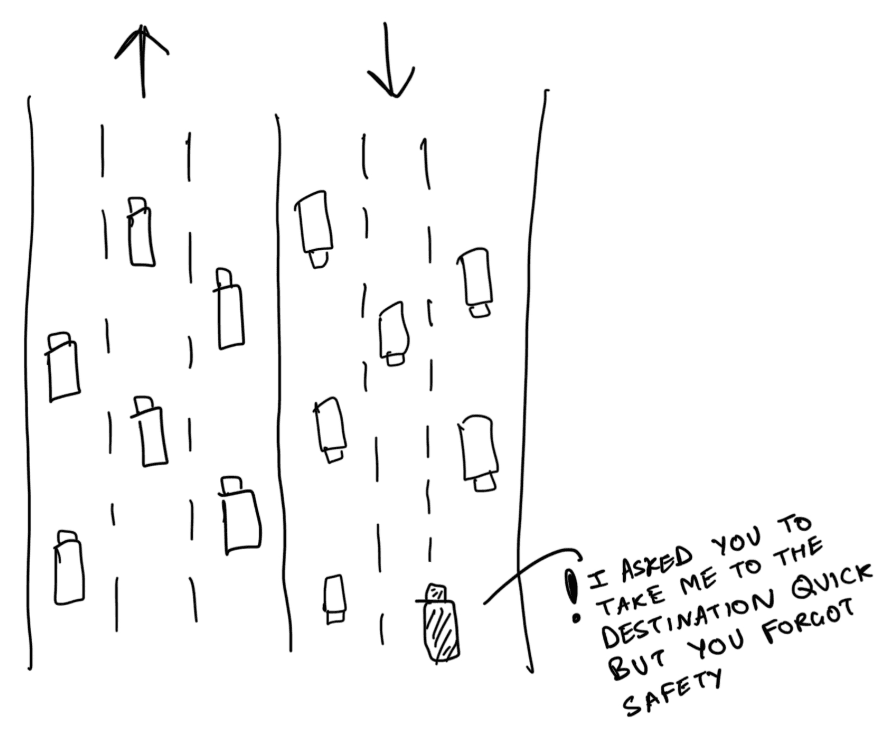
What AI agent observability should capture
Useful observability records the actions an agent takes, not just the prompts and completions that led to them:
- Every tool call, its name, arguments, and result, logged as a structured event.
- Shell commands, file reads and writes, network and API requests.
- Which agent, which session, and which policy decision applied.
- Whether each action was allowed, blocked, or held for approval.
Observability without leaking secrets
The catch with capturing everything is that agent traffic is full of secrets: tokens, keys, private data. Log it naively and your observability store becomes a breach waiting to happen.
Prismor redacts secrets at the source, before events leave the machine, so you get complete visibility without opening a new place for credentials to leak.
AI agent monitoring: what to watch across your agents
Observability makes agent actions visible. Monitoring watches them over time: spotting anomalies, enforcing limits, keeping evidence. Good AI agent monitoring watches the signals that actually indicate trouble:
- Blocked and denied actions, attempts to do something policy forbids.
- Sensitive operations touching secrets, credentials, or protected paths.
- Unusual volume or patterns of tool calls from a single agent.
- Policy changes, and who made them.
A tamper-evident audit trail
Monitoring is only as trustworthy as its record. Prismor keeps a tamper-evident audit trail of every action an agent took: who, what, when, allowed or blocked, so the history can't be quietly rewritten.
That trail turns "what did our agents do last quarter?" from a guess into an answer you can export for auditors and security reviews.
From observability to control
Prismor captures agent activity as a structured, searchable event stream at the tool-call boundary, the same boundary where it enforces policy. What you can see, you can also govern, block, and prove later in an audit.
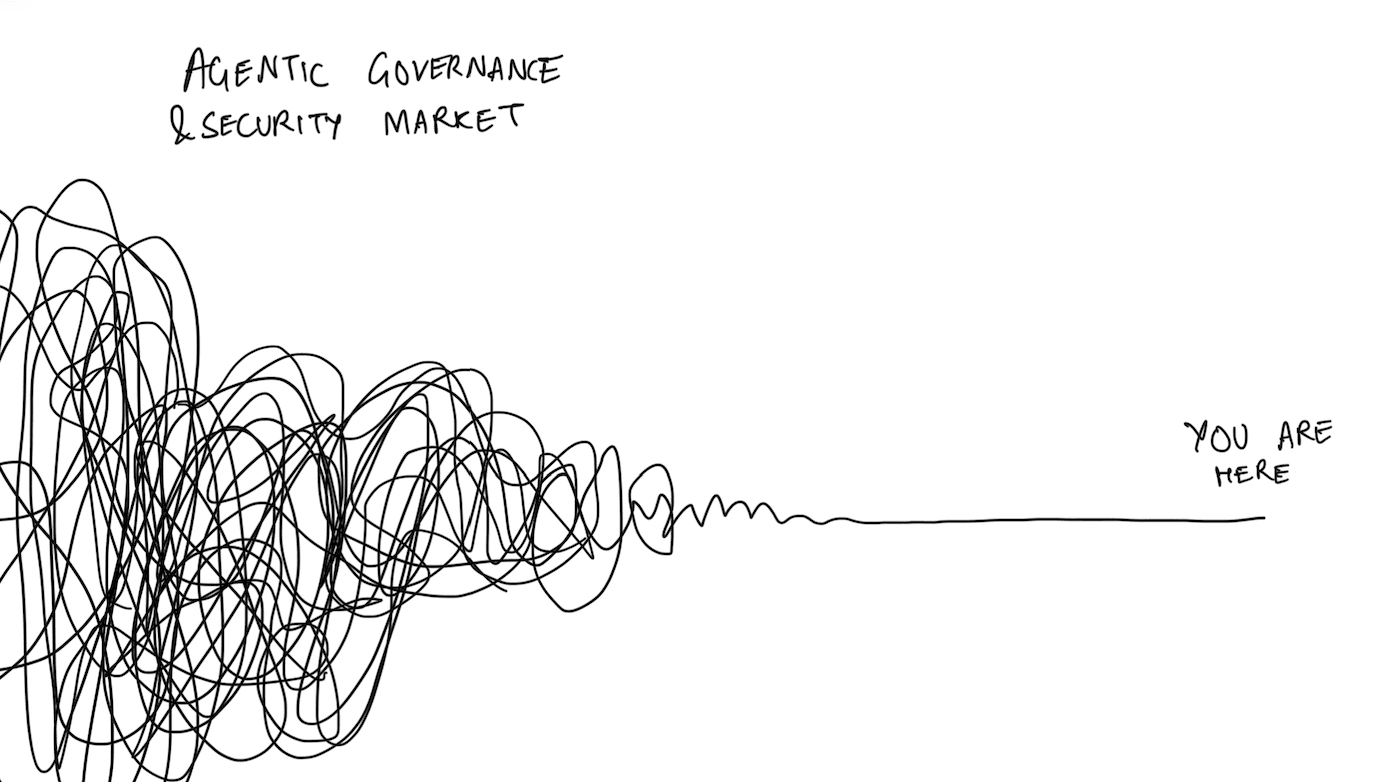
A crowded field, one boundary
Agent governance is a noisy market, and most of the noise sits upstream of the moment an agent actually does something. Prismor works at the tool call, where the action lands and where a decision still changes the outcome.
Frequently asked questions
What is AI agent observability?
Seeing what AI agents do at runtime: every tool call, command, file access, and API request, captured as structured, searchable events you can use to understand, secure, and audit their behavior.
How is agent observability different from LLM observability?
LLM observability watches prompts, tokens, and model outputs. Agent observability watches actions, the tool calls and system operations an agent performs, which is where the actual security risk lives.
What is AI agent monitoring?
The continuous tracking of what AI agents do at runtime, their tool calls and system operations, to surface risky behavior in real time and keep an auditable record.
What's the difference between monitoring and observability for AI agents?
Observability is the capability to see agent actions. Monitoring is watching those actions over time, alerting on anomalies, and retaining an audit trail. Prismor does both from the same tool-call boundary.
Want a control plane over your AI agents?
Prismor checks every tool call your agents make against your policy, blocks what breaks it, and keeps the audit trail. Run the open-source runtime yourself, or let us set it up across your org.
Or email [email protected]