A SaaS startup in Chicago screens EU-based job applicants with a model it fine-tuned last quarter. Its founders assume EU law stops at the EU border. It does not. Under the AI Act, that startup carries the same obligations as a software house in Munich, because the Act follows where the AI reaches, not where the company is headquartered.
The EU AI Act is the first comprehensive, legally binding framework for artificial intelligence, and it is already phasing in. It works the way the GDPR did: if your system touches people inside the EU, you comply. The good news for most teams is that the rules are specific enough to plan against. The hard part is that the work spans legal, product, engineering, data, and security at the same time.
The risk tiers, and what each one demands
The Act does not regulate AI as one thing. It sorts applications by how much harm they can cause, and the obligations scale with that. Four tiers matter for planning.
- Prohibited. Some uses are off the table. Cognitive manipulation that causes harm, government social scoring, untargeted scraping for facial-recognition databases, and certain real-time biometric surveillance. The banned list now also covers “nudifier” tools that generate non-consensual intimate deepfakes.
- High-risk. AI used for life-altering decisions: hiring, education, credit, healthcare, critical infrastructure, law enforcement. These are allowed, and they carry the heaviest load. Detailed technical documentation, data governance, event logging, risk management, and real human oversight.
- Limited risk. Chatbots and generative tools. You have to tell people they are dealing with a machine, and AI-generated media such as deepfakes has to be marked as synthetic in a machine-readable way.
- Minimal risk. Spam filters, recommendation features, most everyday AI. No new obligations, though the transparency habits above are worth adopting anyway.
The timeline, including the 2027 shift
The Act entered into force in August 2024 and applies in waves rather than all at once. The dates that shape most roadmaps:
- February 2025. The bans on prohibited practices took effect, along with AI-literacy duties for staff who build or operate these systems.
- August 2025. Obligations for general-purpose AI models began, overseen by the new European AI Office.
- August 2026. The transparency duties for limited-risk systems apply. Chatbots must disclose that a user is dealing with a machine, and AI-generated media has to be marked as synthetic. If you ship a chatbot or a generator, this is the near-term deadline.
- Late 2027. High-risk systems were originally due mid-2026. A legislative update, the “Digital Omnibus on AI,” deferred most of that deadline to late 2027 to give teams room to prepare. The extra time is for building, not for waiting.
Why non-EU companies are already in scope
The Act is extraterritorial. If your software is available to users in the EU, or if your model’s outputs affect people living there, you are bound by it regardless of where you sit. This is the GDPR pattern, and it caught plenty of teams off guard the first time.
The penalties are sized to get attention. Deploying a prohibited system can cost up to €35 million or 7% of global annual turnover, whichever is higher. Other violations carry lower but still serious caps. For a company with real revenue, this is a board-level number, not a line item.
The work is cross-functional, so split it by team
Hand the whole Act to legal and they drown in code repositories. Hand it to engineering and they drown in legal text. Compliance here is a team sport, and each group owns a distinct piece.
- Legal and compliance. Build the AI inventory, including shadow AI that staff adopted without asking. Classify each system into a tier, handle filings and policy, and verify that any third-party model you deploy is compliant, since the deployer stays liable.
- Product. Own transparency and oversight in the interface. Make it obvious when a user is talking to a machine, mark synthetic media, and design clear paths for a human to review, intervene, or override an automated decision such as a rejected credit application.
- Engineering. Build the guardrails. Tamper-resistant logging that can reconstruct why a model made a given decision, plus a rehearsed way to disable or roll back a model that starts drifting or producing unsafe output.
- Data science. Own data hygiene. Document where training data came from and how it was filtered, confirm the datasets are representative, and audit models for demographic or historical bias before they ship into hiring or scoring.
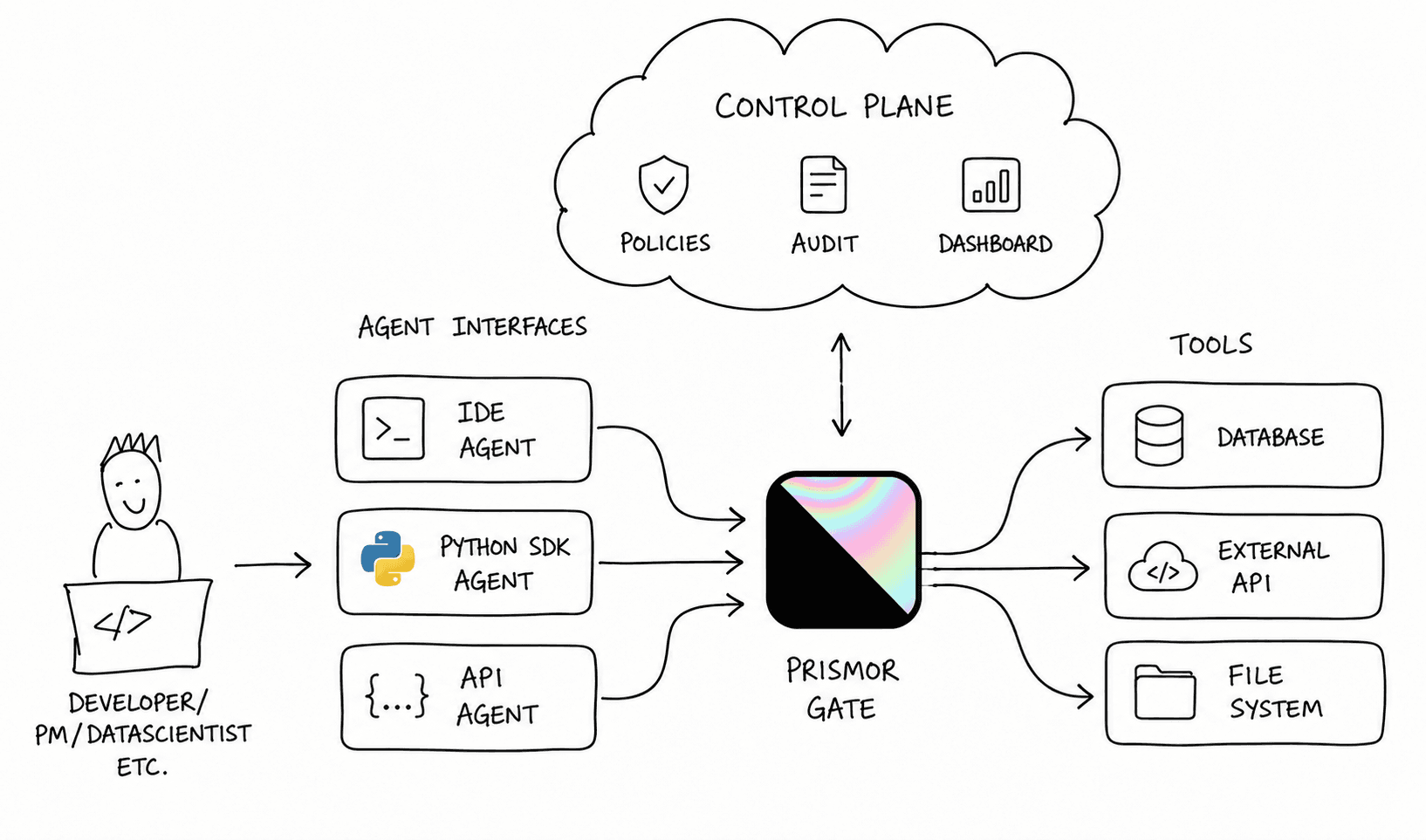
- Security and IT. Govern the identity of the AI itself. Treat autonomous agents like accounts with scoped, restricted tokens, monitor what they can reach, and keep the regulator-facing logs encrypted and isolated from tampering.
What teams should do
The deadlines roll out in phases, so the useful move now is to know your exposure before the clock runs down.
- Map your AI assets. List every model, feature, and third-party integration in use, including the tools employees adopted on their own.
- Classify each system. Place it on the tier scale. That single answer tells you which obligations apply and how much time you have.
- Start the paper trail. For anything high-risk or transparency-bound, begin documenting training data, testing, and safety guardrails now rather than reconstructing it under a deadline.
- Put oversight where actions happen. Human review and audit logging matter most at the point a model turns a decision into a real-world action, so build the enforcement there.
The open era of shipping AI with no rulebook is closing, and the teams that treat governance as an engineering property will spend late 2027 shipping instead of scrambling. You can read the binding text in Regulation (EU) 2024/1689. The real question is narrower than the law: do you know, today, which of your systems would land in the high-risk tier?